Category: 🚢 Technical Knowledge

  • Satellite WhatsApp on Pixel 10: A Lifeline for Seafarers

    Satellite WhatsApp on Pixel 10: A Lifeline for Seafarers

    A Leap Beyond SOS: Voice & Video Calls Over Satellite

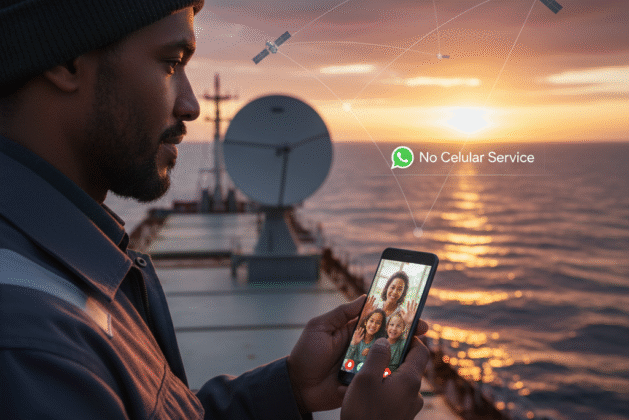
    Google’s Pixel 10 series has emerged as the first smartphone capable of making WhatsApp voice and video calls via satellite connection, enabling true off-grid communication—no mobile network or Wi-Fi needed. Starting August 28, 2025, these devices (Pixel 10, Pixel 10 Pro, Pixel 10 Pro XL) began offering the feature in supported regions.

    This feature is especially fitting for seafarers—who often journey into vast expanses of the ocean with little to no cellular coverage. The ability to voice- or video-call via WhatsApp over satellite, with a clear satellite icon appearing in the status bar, marks a shift from emergency-only connectivity to everyday, reliable communication.

    Why It Matters for Seafarers

    • Constant communication: Stay connected with family, ports, or rescue services even in signal-dead zones.
    • Visual assurance via video: Rather than just audio, video calls provide real-time visual updates—critical in emergency or logistical situations.
    • Secure & encrypted: WhatsApp calls over satellite retain end-to-end encryption, ensuring communications remain private.
    • Multi-layered safety: Pairing the Pixel 10’s satellite WhatsApp calls with its existing Satellite SOS and live location sharing via Maps/Find My Hub, this device forms a comprehensive off-grid safety toolkit.

    Availability in India

    Current Status

    As of now, the Pixel 10’s satellite-based WhatsApp calling feature is not yet available in India. Google is rolling out the feature initially in the United States, with availability in India expected later—contingent on partnerships with local carriers and regulatory approvals.

    Is It Reachable Soon?

    Reports mention that BSNL, India’s state-run telecom operator, has hinted at launching satellite-based services, which suggests groundwork is being laid. However, there’s currently no confirmed timeline when Pixel 10’s satellite WhatsApp calls will go live in India.


    Additional Pixel 10 Features Beneficial to Seafarers

    • Satellite SOS: Can send emergency alerts via satellite when in distress, even without cell signal—critical for remote ocean voyages.
    • Live Location Sharing: Share precise real-time position through Google Maps or Find My Hub over satellite—ideal for navigation tracking or rescue coordination.
    • Take a Message Feature: Built into the Phone app, this feature records and transcribes messages from missed calls, storing both audio and text. Though not directly satellite-dependent, it can help when returning to signal—particularly useful if the vessel briefly regains coverage

    Shippys.org Will Track and Update

    At shippys.org, we will closely monitor Pixel 10 satellite WhatsApp availability in India and share updates as soon as they’re confirmed. This feature has the potential to dramatically improve seafarer welfare and maritime safety, and we’re committed to keeping the community informed.

    If you have firsthand experience with satellite services, maritime connectivity, or want to share insights, we invite you to contribute to shippys.org. Your knowledge can help seafarers across the globe stay connected and safe

  • Is the 2nd Officer the Next Victim of AI in the Merchant Navy?
    Is the 2nd Officer the Next Victim of AI in the Merchant Navy?

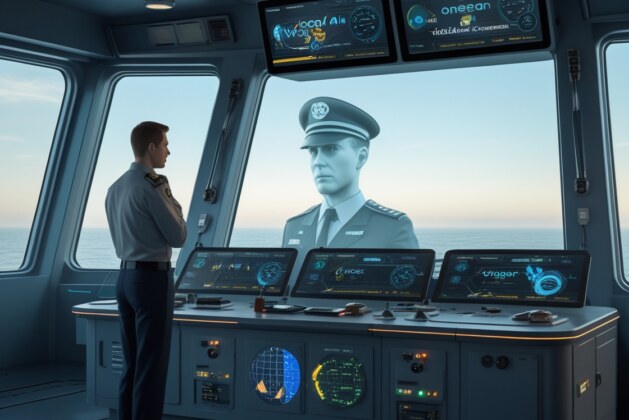
    Once, every ship had a Radio Officer. Then came GMDSS, satellite communications, and automation—and the role faded into history. Today, the 2nd Officer, long seen as the ship’s navigator and planner, might be heading toward a similar fate, thanks to the rise of AI and intelligent marine software.


    The Evolving Role of the 2nd Officer

    Traditionally, the 2nd Officer has been responsible for:

    • Passage planning and route plotting
    • Chart corrections and publication updates
    • Meteorological monitoring and reports
    • Sending noon reports and vessel position updates
    • Operating GMDSS equipment
    • Watchkeeping and bridge management support

    But now, these core duties are being automated by software solutions that promise speed, accuracy, and optimization.


    AI Has Already Boarded the Bridge

    Here are some cutting-edge platforms that are redefining ship operations:

    • Orca AI: Uses computer vision and machine learning to enhance situational awareness, detect potential collisions, and optimize navigation in congested waters.
    • Voyager AI (by Voyager Worldwide): Automatically generates passage plans, provides real-time navigation data, and updates charts digitally—significantly reducing manual effort.
    • OneOcean (Enhanced): Offers a fully integrated platform for voyage planning, compliance, and environmental management, including digital reporting tools and automated chart updates.
    • Wärtsilä Navi-Planner: Allows remote voyage planning and execution, and integrates seamlessly with bridge systems to assist with decision-making.
    • ABB Ability™ Marine Pilot Control: Provides automated navigation support, including route optimization and collision avoidance, especially for remote or unmanned vessels.

    With these tools handling everything from planning to reporting, the traditional tasks of the 2nd Officer are shrinking rapidly.


    What’s Left for the 2nd Officer?

    The 2nd Officer is evolving into more of a system supervisor than a traditional navigator. Much like the Radio Officer once did, they now spend more time monitoring systems than actively creating or updating them.

    AI doesn’t sleep, doesn’t forget chart updates, and can analyze thousands of data points instantly. With machine learning continuously improving decision-making algorithms, the question arises: Does the 2nd Officer still have a long-term place on board?


    Is This the Beginning of the End?

    The maritime industry is exploring:

    • Reduced manning models
    • Shore-based navigation teams
    • Semi-autonomous bridge operations
    • Multi-functional officers instead of specific ranks

    For the 2nd Officer, this could mean:

    • Less hands-on navigational work
    • Greater emphasis on technical troubleshooting and systems monitoring
    • Cross-training in compliance, cyber-security, and automation

    Why the Human Element Still Matters—for Now

    Despite all the tech:

    • AI lacks judgment during unexpected emergencies
    • Machines can’t match human adaptability in morally complex decisions
    • System failures still require manual intervention
    • Leadership, communication, and safety drills need people

    So while AI tools like Orca AI and OneOcean enhance navigation, they’re not yet ready to replace human instinct and accountability entirely.


    Adapt or Be Replaced

    If you’re a 2nd Officer today, it’s time to reskill and rethink your future. Here’s how to stay relevant:

    • Learn to operate and troubleshoot advanced navigation systems
    • Gain data literacy and understanding of AI workflows
    • Take courses in cyber awareness and integrated ship systems
    • Stay updated on trends in maritime automation and compliance

    The 2nd Officer role may not disappear entirely—but it will be transformed.


    Final Thoughts

    The Radio Officer didn’t disappear because they were less skilled—it happened because technology evolved faster than roles adapted. Now, the 2nd Officer is standing on that same cliff edge.

    AI-driven systems like Voyager AI, Orca AI, and OneOcean are not threats—they’re tools. But the person who doesn’t know how to use them is at risk.

    The future doesn’t eliminate seafarers—it demands smarter, more tech-savvy ones.


    📢 If you’re a seafarer seeing changes in your duties because of AI, or have experience using these systems, share your story with us at shippys.org. Let’s document this digital evolution together.